Digital Forensics
No system is perfect. Sometimes fraud happens. When it does, I don't just clean up the mess. I dissect it, understand it, and build defenses that make sure it never happens again. Forensic analysis isn't about blame. It's about learning. And I never stop learning.
Learn. Adapt. Fortify.
Fraudsters are creative. They find edges, exploit gaps, and evolve. When they succeed—even once—I consider it a personal failure. Not because I expect perfection, but because every fraud incident is a lesson waiting to be learned. My forensic process digs deep: transaction logs, system behavior, attacker patterns, timing, vectors. I don't just patch the hole. I understand why it existed and how to build so it never opens again.
Data Forensic Methodology.
I collect the evidence: logs, signals, timestamps, patterns. I reconstruct the attack, identify the gap, and build the countermeasure. It's methodical, documented, and repeatable. Every incident feeds back into the system—stronger rules, sharper thresholds, smarter defenses.
The Forensic Process
- Capture Everything — Every transaction, every decision, every signal is logged. No exceptions. When fraud happens, we have the full picture.
- Reconstruct the Attack — Step by step. What did the fraudster do? When? How? Which rules missed them? Which signals were ambiguous?
- Identify the Gap — Was it a missing rule? A poorly weighted signal? A new pattern the system hadn't seen? A threshold set too high?
- Build the Countermeasure — New rule. Adjusted weight. Refined threshold. Additional signal. The gap closes.
- Deploy. Monitor. Repeat. — The update goes live. We watch for similar patterns. We learn from every attempt, successful or not.
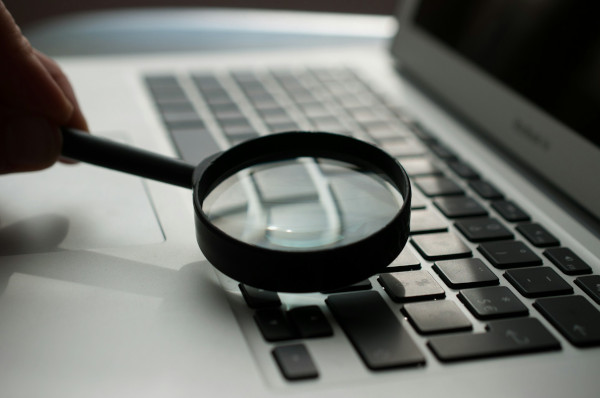
Not Blame. Evolution.
Forensic analysis isn't about pointing fingers. It's not about "who messed up." It's about "how do we get better?" I've led teams through post-mortems that could have been painful. Instead, they became collaborative learning sessions. Engineers, analysts, operations—everyone contributes. We emerge stronger, smarter, and tighter as a team. That's how you build resilience. That's how you build trust.
From Every Incident, A Stronger System
Every fraud incident is a data point. Every near-miss is a signal. Every successful block is validation. My forensic process ensures that nothing is wasted. The system learns. The rules evolve. The thresholds sharpen. Over time, fraud gets harder and harder. Fraudsters move on to easier targets. Your system becomes a fortress—not because it was perfect on day one, but because it refused to stay still.
Full Visibility
Every decision logged. Every signal captured. When fraud happens, we don't guess. We know.
No Blame. No Fear.
Forensic analysis is about learning, not assigning fault. My teams know we're building together, not hunting for scapegoats.
Continuous Improvement
Every incident strengthens the system. Every near-miss sharpens the rules. The system never stops evolving. Neither do I.
Documented. Repeatable. Scalable.
Forensic processes are documented, repeatable, and scalable. One incident informs the whole system, not just one fix.